

Chemical pumps play an important role in many industrial processes. They are used to transfer liquids, support production systems, move wastewater, and keep fluids circulating through pipelines. However, chemical liquids can have different properties. Some may cause corrosion, while others may require special seals or materials. Therefore, choosing the right pump is important for safe and reliable operation.
China is a sourcing option for businesses looking for chemical industrial water pumps at different capacities and specifications. Buyers should compare pump materials, flow rates, pressure ratings, temperature limits, and maintenance needs before placing an order.
Linyi HanAsen Interconnection Technology Co., Ltd. can be contacted by buyers seeking information about industrial pump solutions. By sharing the details of a chemical process, buyers can request product information and compare suitable options.
Chemical Industrial Water Pump China for Different Applications
Chemical industrial water pumps are used in several types of plants and processing systems. However, not every water pump is suitable for handling chemicals. The liquid’s properties must be checked before a pump is selected.

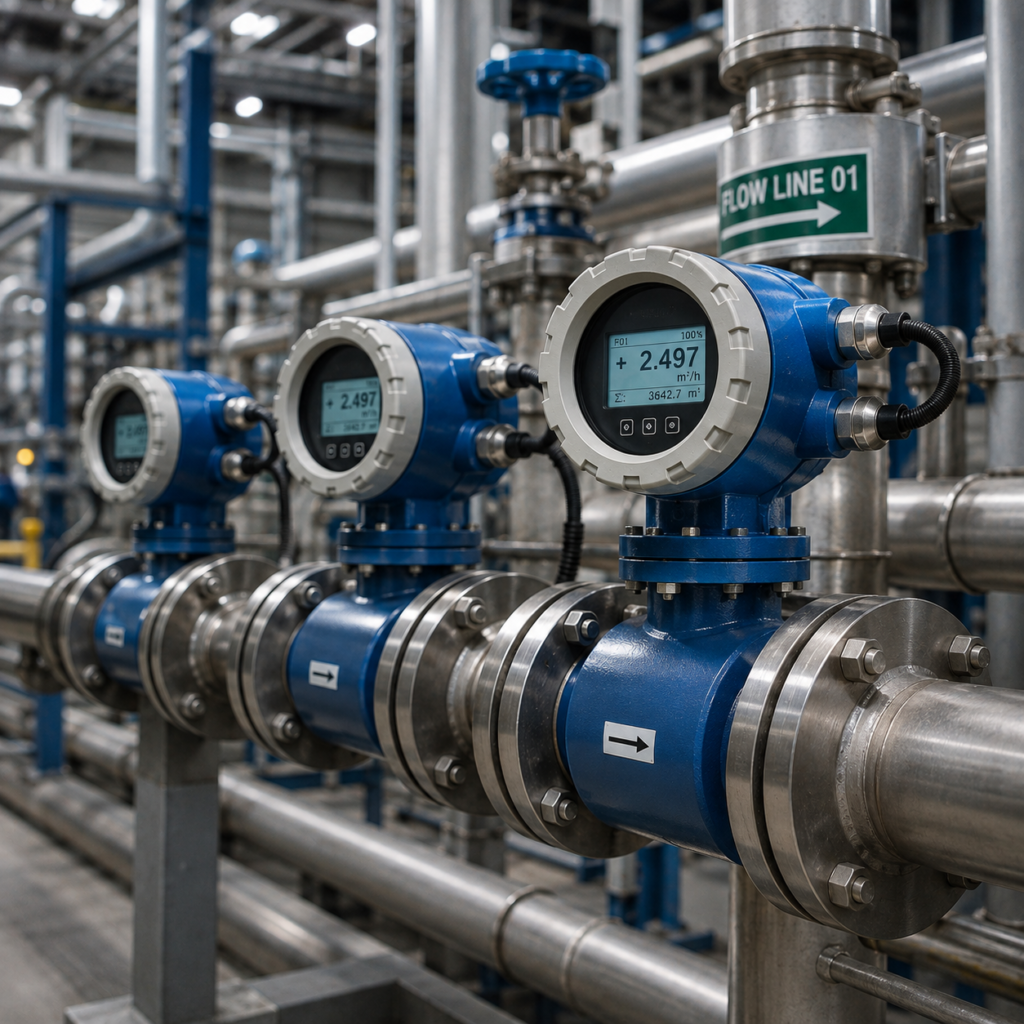
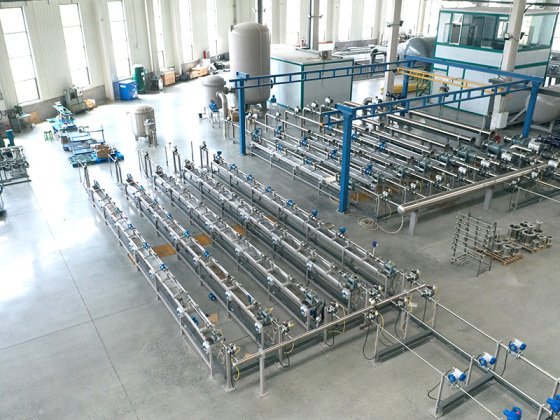
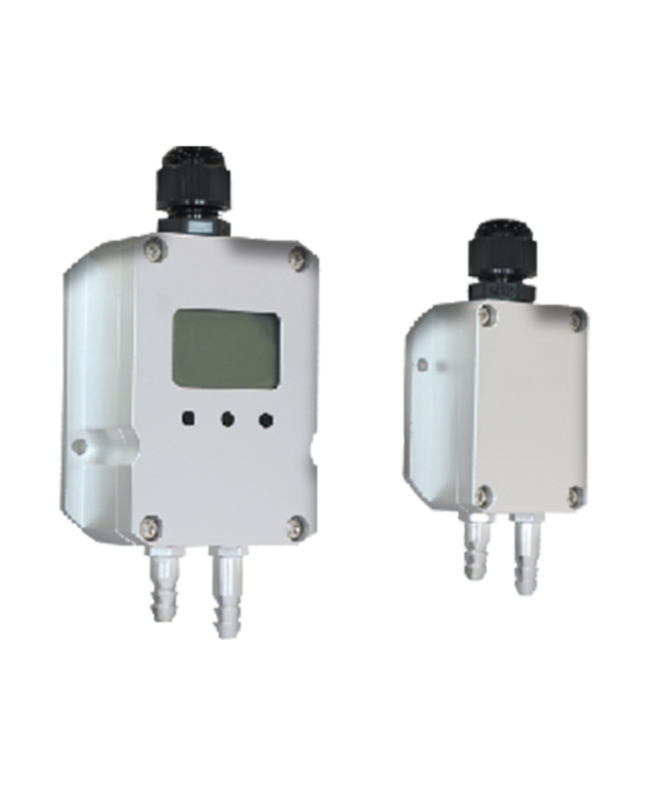
Chemical Water Pumps for Industrial Processing Plants
Industrial processing plants often need pumps to move liquids between tanks, pipelines, and production equipment. Depending on the process, these liquids may include clean water, process water, chemical mixtures, or other industrial fluids.
A suitable chemical pump helps maintain the required flow through the system. For example, it may be used to transfer a liquid from a storage tank to a mixing vessel. Similarly, it may support circulation in a processing system.
Before selecting a pump, the liquid’s chemical composition should be identified. Its temperature, concentration, viscosity, and potential to form solids can affect pump performance. In addition, the required flow rate and total head should be calculated.
By providing these details, buyers can help the supplier identify pump options that match the process requirements.
Corrosion-Resistant Pumps for Chemical Transfer
Corrosion resistance is an important factor when chemicals are transferred through an industrial system. Some liquids can damage ordinary metals, seals, and other pump components. As a result, unsuitable materials may lead to leakage, equipment damage, and additional maintenance.
Depending on the chemical and operating conditions, pump construction may use suitable grades of stainless steel, engineered plastics, or other compatible materials. However, no single material is suitable for every chemical.
For this reason, buyers should provide the chemical name, concentration, operating temperature, and other relevant details. Material compatibility should then be confirmed for the complete wetted parts, including the pump casing, impeller, shaft components, and seals.
Furthermore, the pump’s pressure and temperature limits should be checked before installation. Careful material selection can help reduce corrosion risks and support longer equipment life.
Industrial Water Pumps for Chemical Wastewater Treatment
Chemical plants may produce wastewater during cleaning, processing, and other operations. This wastewater can contain dissolved chemicals, suspended solids, or other substances that require treatment before discharge or reuse.
Pumps are often used to transfer wastewater between collection tanks, treatment units, and storage systems. However, the right pump depends on the liquid’s condition and the treatment process.
For example, wastewater containing suspended solids may require a pump designed to handle those particles. In contrast, a liquid with corrosive properties may need compatible materials and seals.
Before ordering, buyers should confirm the wastewater composition, solids content, temperature, flow rate, and required pumping head. These details help determine whether a standard water pump or a specialised chemical-duty pump is more suitable.
Types of Chemical Industrial Water Pumps Available in China
Different chemical processes require different pump designs. The correct choice depends on the liquid, operating conditions, flow requirements, and pressure needs. The following pump types are commonly considered for industrial applications.
Centrifugal Chemical Water Pumps for Industrial Use
Centrifugal chemical pumps use a rotating impeller to move liquid through the pump. They are often considered for continuous transfer and circulation where the liquid properties and system conditions suit this design.
These pumps may be used in chemical processing, industrial water systems, and liquid transfer applications. Their performance depends on the pump design, impeller, motor, and operating point.
Before selecting a centrifugal chemical pump, buyers should check its performance curve. The required flow rate and total head should fall within the pump’s suitable operating range.
In addition, the liquid’s viscosity, temperature, and chemical properties should be reviewed. The pump materials and seals must also be compatible with the liquid. This step is especially important when the pump will handle corrosive or hazardous chemicals.
High-Pressure Chemical Water Pumps for Heavy-Duty Applications
Some industrial processes require liquids to be moved at higher pressures. In these situations, a suitable high-pressure pump may be considered for chemical transfer, process supply, or other specialised duties.
However, high pressure alone does not determine whether a pump is suitable. The required flow rate, liquid properties, operating temperature, and system design must also be considered.
Moreover, every connected component should be rated for the expected working pressure. Pipes, valves, fittings, seals, and other equipment must be checked along with the pump.
Buyers should provide the required pressure at the delivery point, the estimated pipeline losses, and the expected operating conditions. The supplier can then review the requirements and provide relevant product information for comparison.
Chemical Transfer and Circulation Pumps for Industrial Systems
Chemical transfer pumps are used to move liquids from one location to another. For example, they may transfer a chemical from a storage tank to a mixing tank or production line.
Circulation pumps serve a different purpose. They keep liquid moving within a closed or connected system, depending on the process design. They may be used where steady circulation is needed for mixing, temperature control, or process support.
Although both pump types move liquids, their operating requirements may differ. Transfer systems may need to overcome elevation changes and pipeline losses. Circulation systems may require a particular flow rate within a loop.
Therefore, buyers should explain the pump’s purpose and provide the system layout where possible. This information helps ensure that the proposed pump is suitable for the intended duty.
Benefits of Choosing a Chemical Industrial Water Pump Supplier in China
When sourcing chemical industrial water pumps from China, buyers may be able to compare different product designs, materials, and price options. However, the final decision should be based on technical suitability and verified product information rather than price alone.
Pump Materials for Different Chemical Requirements
Pump materials are selected according to the liquid being handled and the conditions under which the pump will operate. Different chemicals can react differently with metals, plastics, elastomers, and seal materials.
For example, some applications may require a suitable stainless-steel grade, while others may need a compatible non-metallic material. The correct choice depends on the chemical’s composition, concentration, temperature, and exposure time.
Furthermore, material compatibility should cover all parts that come into contact with the liquid. Checking only the pump casing is not enough because seals, gaskets, and impellers may also be affected.
Buyers should request material details and confirm compatibility with the supplier before placing an order. If the chemical is hazardous or highly corrosive, a qualified technical professional should review the proposed pump materials and design.
Competitive Prices for Chemical Industrial Water Pumps
Price is an important consideration for factories and industrial buyers. However, chemical pump prices can vary according to the pump design, capacity, material, motor power, seal arrangement, and operating limits.
A pump made for a demanding chemical process may require different materials and components from a basic water transfer pump. Therefore, two pumps with similar flow rates may still have different prices.
In addition, international buyers should consider packaging, freight, insurance, customs charges, and other delivery costs. These expenses can affect the total purchase cost.
To compare quotations fairly, buyers should provide the same technical requirements to each supplier. They should also confirm what the quoted price includes, whether accessories are supplied, and which documents are available.
This approach helps buyers evaluate the overall offer instead of choosing a pump based only on its initial price.
Pump Options for Different Flow Rates and Pressures
Every chemical process has its own flow and pressure requirements. A small production line may need a lower flow rate, while a larger plant may require a higher-capacity pumping system.
The required flow rate is the amount of liquid that must be moved over a specific period. Total head represents the energy required to move the liquid through the system and is commonly expressed in metres. For pressurised systems, the required delivery pressure should also be specified.
However, the pump’s capacity must be considered alongside the liquid’s properties. Viscous liquids, for example, may affect pump performance and power requirements. Similarly, temperature and chemical compatibility can influence the final selection.
By providing accurate operating data, buyers can compare pump options that are more closely matched to their process.
How to Choose the Right Chemical Industrial Water Pump
Selecting a chemical pump requires careful planning. The correct pump should match the liquid properties, system requirements, and operating environment. Before an order is confirmed, the following factors should be reviewed.
Check Chemical Compatibility and Corrosion Resistance
Chemical compatibility should be one of the first checks during pump selection. A pump that works well with clean water may not be suitable for an acid, alkali, solvent, or concentrated chemical solution.
First, identify the exact liquid and its concentration. Next, confirm its operating temperature and any other properties that may affect the pump. The supplier should also be informed if the liquid contains suspended particles or may change during operation.
After that, review the proposed materials for all wetted components. These may include the casing, impeller, shaft, seals, gaskets, and internal coatings where applicable.
It is also important to consider the consequences of a leak. If the liquid is hazardous, the pump design, sealing arrangement, installation, and safety measures should be reviewed by qualified personnel.
Therefore, chemical compatibility should be confirmed before a pump is purchased or put into service.
Compare Flow Rate, Pressure, and Temperature
Flow rate, pressure, and temperature are key factors in selecting a chemical pump. If the pump cannot meet the required operating point, the process may not receive the correct amount of liquid.
Buyers should calculate the required flow rate and total head based on the system layout. Pipeline length, elevation changes, valves, and fittings can all affect the required pump performance.
Temperature must also be checked because it can affect the liquid’s properties, material compatibility, and seal performance. In addition, the pump and motor should be suitable for the expected operating conditions.
The available power supply should be confirmed as well. Voltage, frequency, phase, and motor protection requirements may differ between countries and installations.
By comparing these details with the product datasheet and performance curve, buyers can make a better-informed selection.
Review Pump Specifications and Maintenance Needs
A pump’s technical specifications provide important information about its expected performance and limitations. Buyers should review the model, rated flow, total head, motor power, materials, connection sizes, and temperature and pressure limits.
Where available, performance curves and installation instructions should also be requested. These documents help confirm whether the pump is suitable for the intended system.
Maintenance is another important consideration. Some pumps may need regular seal checks, bearing inspections, lubrication, or other scheduled work, depending on their design. The availability of spare parts and the ease of servicing should therefore be discussed before purchase.
Moreover, buyers should ask which operating conditions are permitted and which maintenance tasks must be performed by qualified technicians. Proper installation and maintenance can help reduce unexpected downtime.
Buy Chemical Industrial Water Pumps from China
Buying a chemical industrial water pump from China starts with a clear understanding of the application. When technical requirements are prepared in advance, product comparisons and quotation requests become easier to manage.
Find the Right Pump for Your Chemical Process
The right pump should be selected according to the liquid and the task it must perform. A pump used for transferring a mild liquid may not be suitable for a corrosive chemical or a high-pressure process.
Begin by identifying the chemical, concentration, temperature, and any suspended solids. Then determine the required flow rate, total head, and delivery pressure. The system layout, pipe connections, and available power supply should also be considered.
In addition, review the safety requirements of the process. Hazardous liquids may need special sealing arrangements, leak-control measures, or other design features. These requirements should be assessed by qualified technical personnel.
If possible, prepare a datasheet or a short description of the process before contacting a supplier. This makes it easier to discuss suitable pump options and identify any missing information.
Request Chemical Water Pump Prices and Product Details
A detailed quotation helps buyers compare available chemical pump options. However, the quotation is most useful when it is based on complete and accurate technical information.
When requesting a price, provide the following details:
- Chemical name and concentration
- Liquid temperature and viscosity, if known
- Required flow rate and total head or delivery pressure
- Pump materials and seal requirements
- Motor power, voltage, frequency, and phase
- Pipe connection size and installation details
- Required quantity and destination country
- Packaging, shipping, and document requirements
Buyers should also request a product datasheet, performance curve, and material details where available. Any required inspection documents or certificates should be discussed and confirmed before the order is placed.
Finally, review the quotation validity, payment terms, delivery schedule, and included accessories. Clear information helps reduce misunderstandings and supports a smoother purchasing process.
Contact a China Chemical Pump Supplier for a Quote
Linyi HanAsen Interconnection Technology Co., Ltd. can be contacted to discuss industrial pump requirements and request product information. Buyers should provide the chemical process details and expected operating conditions so that relevant options can be reviewed.
Whether a project requires a chemical transfer pump, centrifugal chemical pump, circulation pump, or high-pressure option, the final choice must be based on verified specifications and material compatibility.
Contact Linyi HanAsen Interconnection Technology Co., Ltd. to discuss your chemical industrial pump requirements and request a quotation. Share the liquid type, concentration, temperature, flow rate, pressure, materials, quantity, and delivery destination to help clarify your needs.
Conclusion
Chemical industrial water pumps are important for liquid transfer, process circulation, and wastewater handling in many industrial plants. However, each application has different requirements. Chemical compatibility, corrosion resistance, flow rate, pressure, temperature, and maintenance needs must all be considered.
When buying from China, buyers should compare technical specifications and quotations carefully. They should also confirm packaging, shipping terms, and the required export documents before placing an order.
By preparing accurate process information and checking product details, businesses can make a more informed decision when sourcing chemical industrial water pumps. A suitable pump, selected and installed correctly, can support reliable operation and help reduce avoidable maintenance problems.